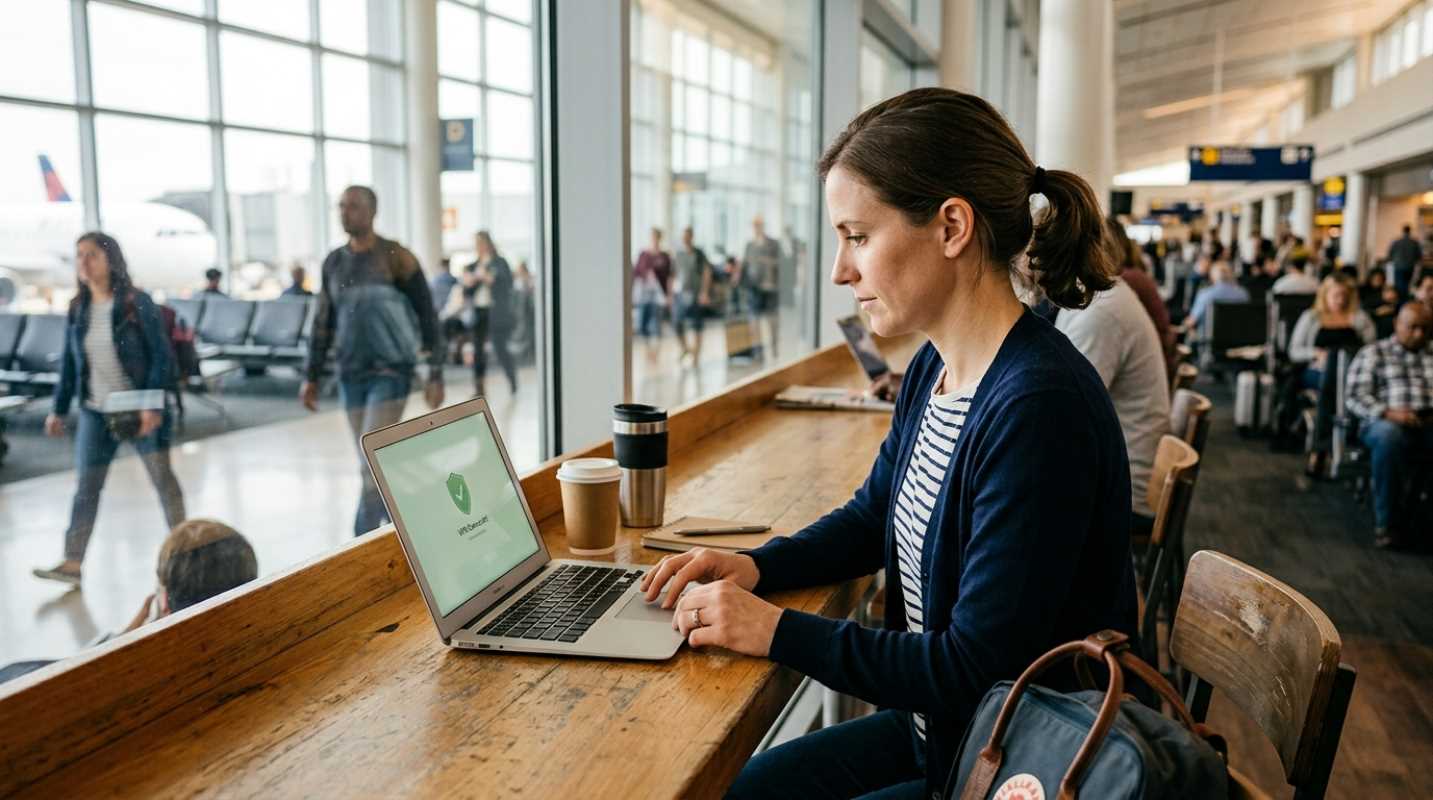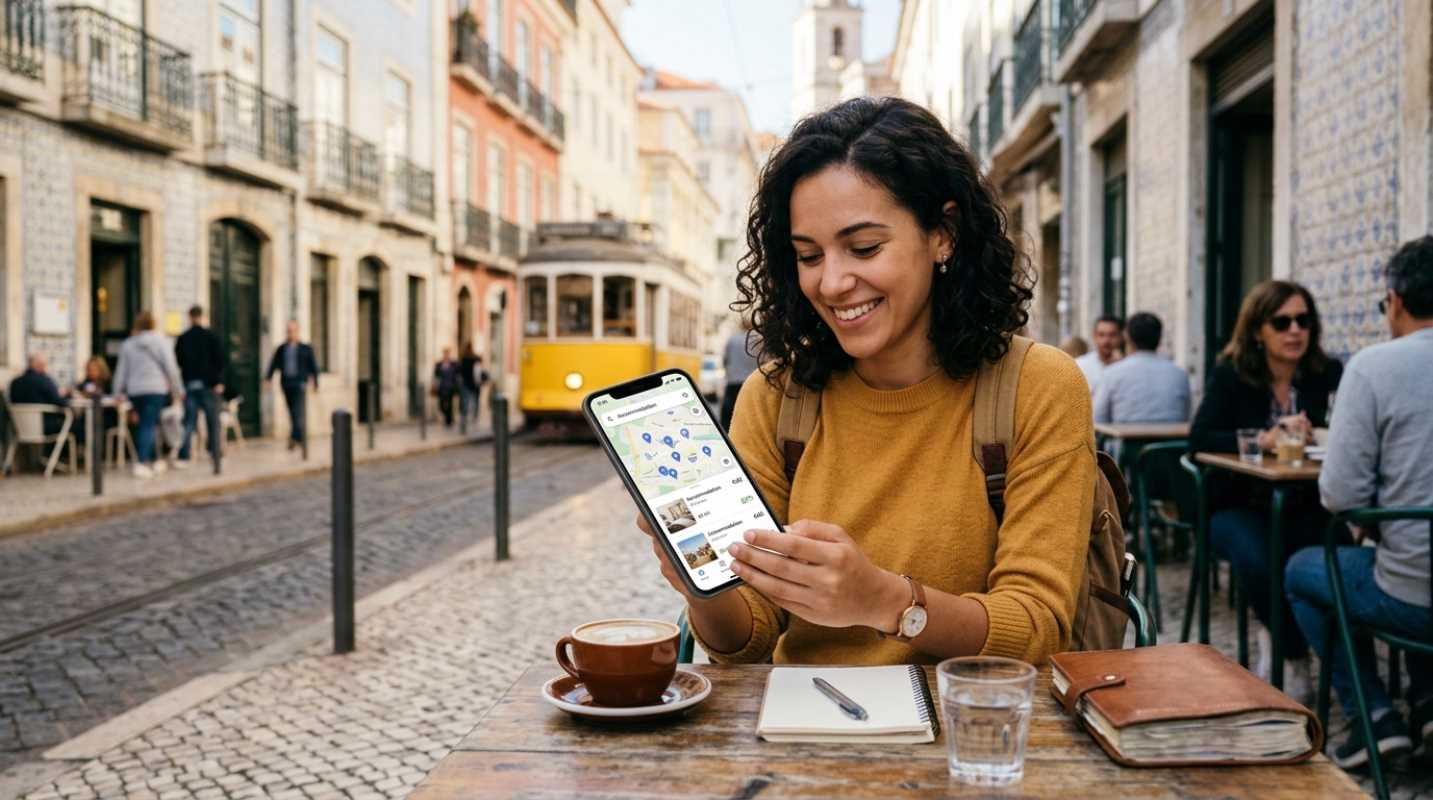
Remember when booking a trip abroad meant picking a massive, sterile resort and paying a small fortune for it? Those days are gone. Today, travel is about getting close to the local culture without draining your bank account.
Let's face it, traveling has gotten expensive. Recent data shows the average cost of an international vacation has climbed to a staggering $9,922, which is a massive jump from what we used to pay just a couple of years ago.¹ If you want to keep exploring the world in 2026, you have to be smarter about where your money goes.
So what does this actually mean? It means your phone is your best budget ally. With the right set of apps, you can easily save hundreds of dollars on lodging, leaving you with plenty of cash for street food, train tickets, and unforgettable experiences. You just need to know which tools to download before you head to the airport.
The global budget hotels market is growing fast, and it is expected to reach over $315 billion soon.² People are moving away from packaged luxury. They want real, value-driven experiences instead. Think of it like swapping a shiny, overpriced souvenir for a genuine local treasure. It is about being clever with your resources.
The Heavy Hitters of Budget Accommodation Apps
When you start searching for a place to stay, you will probably head to the big booking platforms first. There's a reason these household names dominate the market. They have the largest inventory of rooms on the planet, making them reliable starting points.
But you shouldn't just accept the first price you see. To get the best rates, you need to know how to work their systems.
• Booking.com: This is the absolute workhorse of travel planning. It lists everything from tiny guesthouses in Europe to apartments in South America. To get the cheapest rates, make sure you use their Genius loyalty program, which gives you lifetime discounts of 10% to 20% off, and always book on their mobile app because they often hide mobile-only discounts there.
• Agoda: This platform is owned by the same parent company as Booking.com, but it is highly optimized for Asia and the Pacific. If you're heading to places like Thailand, Japan, or Vietnam, Agoda almost always secures cheaper rates than any other platform, and you can often stack their secret coupon codes at checkout.
• Hostelworld: Hostels aren't just for broke students anymore. Hostelworld is the gold standard for finding cheap dorm beds and private rooms, but it also functions like a social network. The app lets you see who else is staying at your hostel, join local group chats, and sign up for group events before you even arrive.
If you're using these apps, the filter tool is your best friend. Don't just filter by price. Sort by review score first, and then filter out anything below an eight out of ten. This simple trick helps you find the hidden gems, those highly rated, family-run guesthouses that keep their prices low because they don't spend money on big marketing campaigns.
Beyond Hotels to Explore Alternative Stays
Sometimes, staying in a traditional hotel is the most expensive way to travel. If you want to stretch your budget further, you need to look at alternative accommodations. The market for these unique stays has grown by 42% recently, as more travelers look for spaces that feel like home.³
Here's a secret. You don't even have to pay for accommodation if you're willing to think outside the box.
• TrustedHousesitters: This is a mutual-trust network where you stay in someone's home for free in exchange for watching their pets. You pay an annual membership fee of about $129, but it pays for itself after just one or two nights of free lodging. It is incredibly popular in the US, UK, Europe, and Australia.
• HomeExchange: This is the largest home-swapping platform in the world. Families save an average of $3,500 per vacation by swapping homes instead of paying for hotels.¹ You can do a direct swap, or use their GuestPoints system, which lets you host someone to earn points and then redeem those points to stay at a different member's home later.
• Swaphouse: If you work on the road, this free home-swapping platform is designed specifically for remote workers. Every home listed is verified to have high-speed internet and a dedicated workspace, so you don't have to worry about your Zoom calls dropping.
How do you make sure these places are safe and clean? Always read the reviews carefully. Look for hosts who have a history of positive feedback, and don't be afraid to message them directly to ask questions before you book. A quick conversation can tell you a lot about what to expect.
Advanced Hacks and Travel Booking Tools
Having the right apps on your phone is only half the battle. You also need to know how to use them to beat the booking systems at their own game.
Instead of checking every single app manually, you can use meta-search engines and price predictors to do the heavy lifting for you.
• Google Hotels: This is the most powerful search engine for lodging. It compares prices for the exact same room across dozens of different booking sites to make sure you get the lowest rate, and its Price Trends tool shows whether current rates are high or low compared to historical data.
• Hopper: This app uses massive historical data sets to predict whether hotel prices will rise or fall. If you search for a destination, Hopper will tell you to either book now or wait, and it will send you an alert the second the price hits its lowest predicted point.
To make your money go even further, you should pair these booking engines with a few needed companion tools
• Wise: Important for international travel, this app lets you hold multiple currencies and spend money abroad with mid-market exchange rates, helping you avoid steep foreign transaction fees from your bank.⁴
• Klook: This is excellent for booking discounted local transport, airport transfers, and attraction tickets, especially across Asia and Europe.
• Airalo: This app lets you buy cheap eSIMs so you can stay connected without paying crazy roaming fees, which is important when you need to book a last-minute stay on the go.⁵
• TravelSpend: A top-rated app that helps you track your daily spending and split costs easily with your travel partners so you don't go over budget.
By cross-referencing prices across these tools, you can build a complete picture of your travel costs before you even leave home. It's the digital equivalent of having a personal travel agent in your pocket.
Smart Booking Approaches for 2026
As we handle travel in 2026, finding cheap lodging requires a mix of smart tech and old-school approach. You can't just rely on algorithms to do all the work.
First, always do a direct double-check. Use aggregators like Google Hotels to find the cheapest third-party rate, and then visit the hotel's direct website. Hotels often match or beat those prices, or they might throw in free perks like breakfast because they don't want to pay a commission to the booking platform.
Second, if you're using TrustedHousesitters, remember their five-applications rule. Listings automatically freeze once they get five applicants, so you should set up instant alerts for your dream destinations so you can apply immediately.
Finally, keep your browser clean. Booking sites sometimes track your searches and show slightly higher prices if they see you checking the same dates repeatedly. Always search in incognito mode or clear your cache before you make your final booking. With these tools and approaches in your pocket, you can travel the world comfortably without breaking the bank.
Sources:
1. Average Cost of a Vacation
https://www.fool.com/money/research/average-cost-of-a-vacation/
2. Accommodating Budget Travel in 2025 and Beyond
https://idsnext.com/blogs/accommodating-budget-travel-in-2025-and-beyond/
3. Meeting the Needs of Budget Travelers
https://www.mylighthouse.com/resources/blog/meeting-the-needs-of-budget-travelers
4. Best Apps for Travel
https://www.danflyingsolo.com/best-apps-for-travel/
5. My Top 10 Travel Apps
https://wanderingnomada.com/my-top-10-travel-apps/