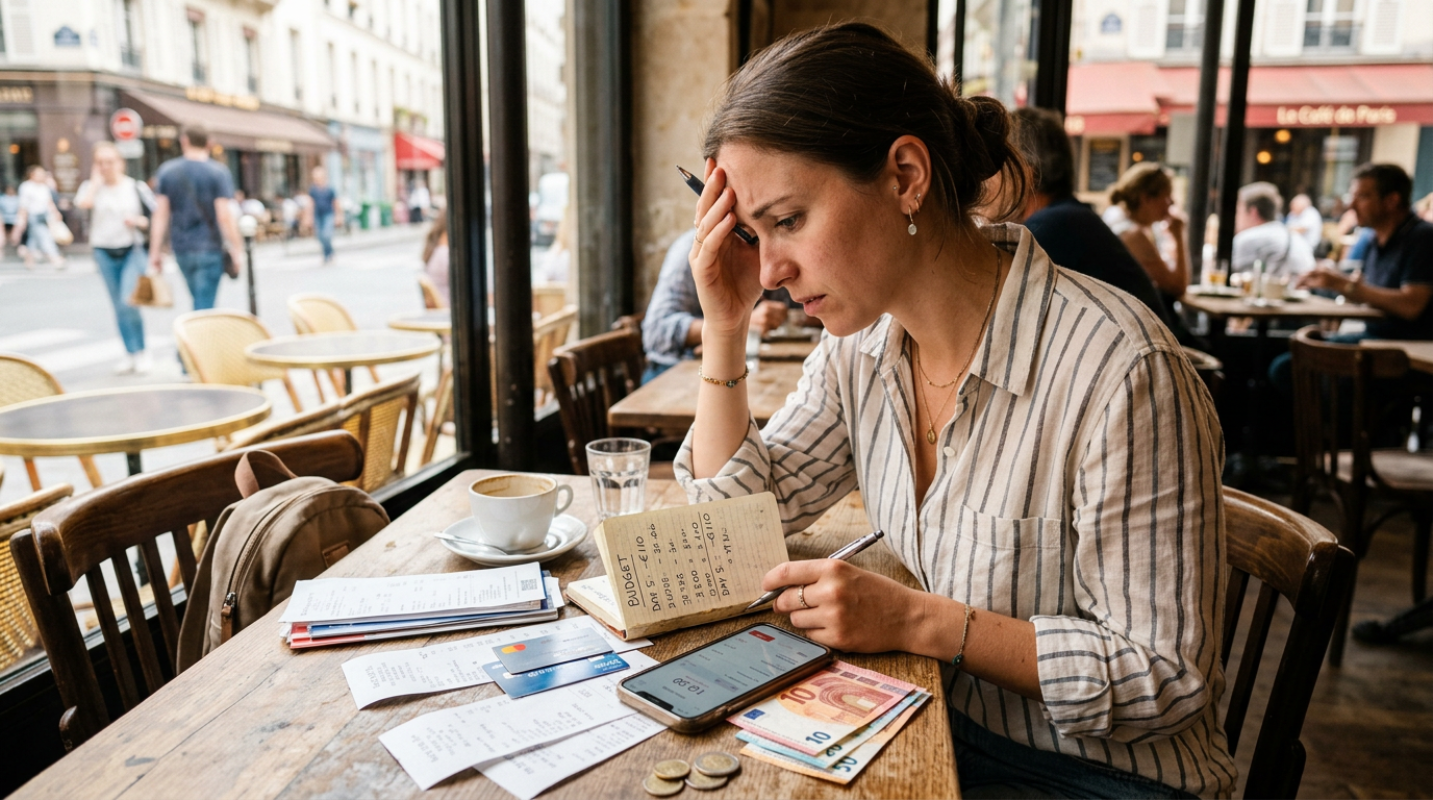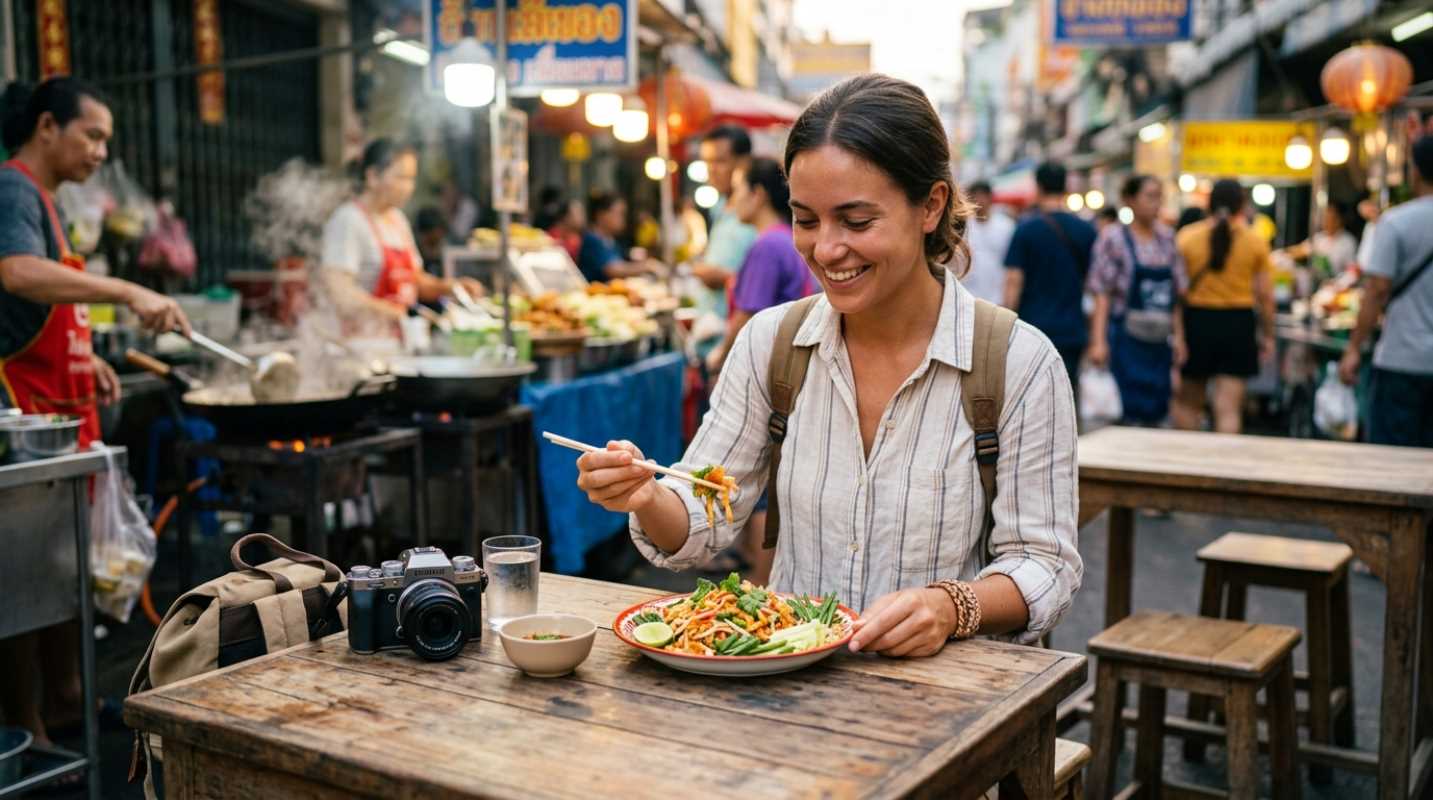
We have all been there. You are planning an amazing getaway, scrolling through beautiful photos of cobblestone streets and sunset views, and then you look at your bank account. Suddenly, the anxiety sets in. How are you going to afford to eat without living on instant noodles and stale crackers for a week? It is a common fear, but it is completely unfounded.
Eating well while traveling is all about focusing on real, local culinary experiences rather than paying for white tablecloths and stiff service. You do not need a Michelin star to have a meal that changes your life. By shifting your focus from luxury dining to smart, everyday eating habits, you can explore new cultures through their flavors without draining your wallet.
So what does this actually mean? It means realizing that the heart of a city's food culture rarely lives in its most expensive restaurants. The real magic is found in the crowded markets, the neighborhood bakeries, and the family-run spots where locals eat every single day.
Mastering the Art of Travel Meal Planning
Let's face it, dining out has become a major pain point for travel budgets. Restaurant prices rose significantly over the last couple of years, making food one of the biggest expenses you will face on the road.¹ In fact, average travel costs continue to climb, and many travelers end up spending over a quarter of their entire trip budget just on food.²
Yet, even when budgets get tight, we refuse to give up great food. Recent travel trends show that dining experiences are the highest travel budget priority after accommodations, with half of global travelers booking restaurant reservations before they even book their flights.⁴ But how do you balance this passion for food with a limited budget?
Think of your food budget as a puzzle. If you plan ahead, you can balance simple, cheap meals with those big, must-try splurges you have been dreaming about. Maybe you eat street food for three days so you can comfortably afford that legendary seafood dinner on night four. It is all about balance.
Before you even pack your bags, use local food blogs, social media, and neighborhood forums to scout out affordable dining options. People love sharing their favorite cheap eats online, and doing a quick search before you arrive saves you from making desperate, expensive decisions when you are already hungry in an unfamiliar city.
Hunting for Cheap Local Eats Like a Pro
How do you actually find these legendary cheap eats once you arrive? The golden rule is simple: walk away from the tourist traps. If a restaurant has a host standing outside waving a laminated menu in five languages, keep walking. You are paying a premium for the location, not the food.
Instead, head to where the locals actually live, work, and shop. Seek out street food markets and high-turnover stalls. Are you worried about getting sick? Look for the longest line of locals. High turnover means the food is constantly cooked fresh, so it does not sit around. Plus, in street-food capitals, a world-class meal of noodles or kebabs will only set you back a few dollars.⁵
Another great approach is to look for ethnic neighborhoods. Neighborhoods with large immigrant populations, like Chinatown or Little India, almost always offer incredible, authentic food at a fraction of downtown prices.
Also, remember to avoid the "foreign food" tax. If you are traveling in a non-Western country, ordering a burger or a pizza will often cost three to four times more than a superior, locally made plate of noodles. Stick to what the locals cook best, and your wallet will thank you.
The Strategic Grocery Store Approach
Eating at a restaurant three times a day is a guaranteed way to blow your budget. That is where the local grocery store becomes your best friend. Skip the fast-food joints and head straight to a neighborhood supermarket or farmer's market.³
You can easily build a gourmet picnic that feels incredibly luxurious but costs next to nothing. Grab a fresh baguette, some local cheese, a handful of olives, and some seasonal fruit. Find a sunny spot in a local park and enjoy. You get a scenic lunch and a taste of local life for a fraction of the cost of a cafe.
If you book accommodations with kitchen access, like a hostel or a vacation rental, you can save even more. You do not have to cook complex meals. Even simple things like buying local ingredients to make a quick breakfast can cut your daily food costs in half. You can also try simple, creative hacks like upgrading cheap noodles with fresh eggs and green onions, or baking frozen grocery store dumplings with a quick peanut sauce.
If you are staying in a place with a kitchen, you can turn grocery shopping into a fun cultural activity. Visiting a foreign supermarket is like visiting a free museum of local life. You get to see what everyday people eat, discover unique snack flavors you cannot find at home, and save a massive amount of money in the process.
Time Your Meals for Maximum Savings
Timing is everything for saving money on food. If there is a high-end restaurant you really want to try, go for lunch instead of dinner. Many mid-range and upscale spots offer a fixed-price lunch menu that features the same chefs and quality ingredients as dinner but at a massive discount.
By making lunch your main meal of the day, you get to experience great dining without the hefty evening price tag. Then, you can keep things light and cheap for dinner.
For late-afternoon slumps, skip the expensive sit-down cafes. Instead, pop into a local bakery for a fresh pastry or hit a local bar during happy hour, where you can often find cheap drinks that come with free or low-cost snacks.
In many European cities, like, buying a coffee and a pastry at the counter is significantly cheaper than sitting down at a table. Learn these little local quirks, and you will save a fortune over the course of your trip.
Building a Aware Foodie Mindset
Having a limited budget is not a restriction; it is an invitation to explore. It forces you out of tourist bubbles and into the real, active neighborhoods where everyday people eat.
When you prioritize authentic local flavors over expensive, generic tourist menus, you end up with much better stories and much better food. You do not need to spend a fortune to eat like royalty. Armed with these approaches, you can head out on your next adventure confident that your wallet and your taste buds will both come home happy.
Sources:
1. USDA Food Price Outlook
https://www.ers.usda.gov/data-products/food-price-outlook/summary-findings
2. Average Vacation Cost - Pacaso
https://www.pacaso.com/blog/average-vacation-cost
3. How to Eat Cheap Although Traveling - Frugal Wanderer
https://frugalwander.com/how-to-eat-cheap-while-traveling/
4. 2025 Hilton Trends Report
https://stories.hilton.com/2025trends/foodies
5. Tips for Eating Cheap Although Traveling - Beyond My Door
https://www.beyondmydoor.com/tips-eating-cheap-traveling/